This month, The Beatles Legacy Group (BLG) will mark 10 years since its creation in 2016, to enhance and protect the cultural and economic impact of the Fab Four in their home city of Liverpool.
Formed in response to a report which recognised the significant £81.9m impact The Beatles had on the economy of Liverpool, over the past 10 years, the BLG has continued in its purpose of boosting the visitor experience and ongoing impact of the most famous band in history, in the city where it all began.
On Tuesday 24 March, The Beatles Legacy Group will celebrate its commitment to its mission by launching the Liverpool Music Heritage Trail, tracking 60 years of music history and shining a spotlight on the cultural value of music venues in the city throughout the years.
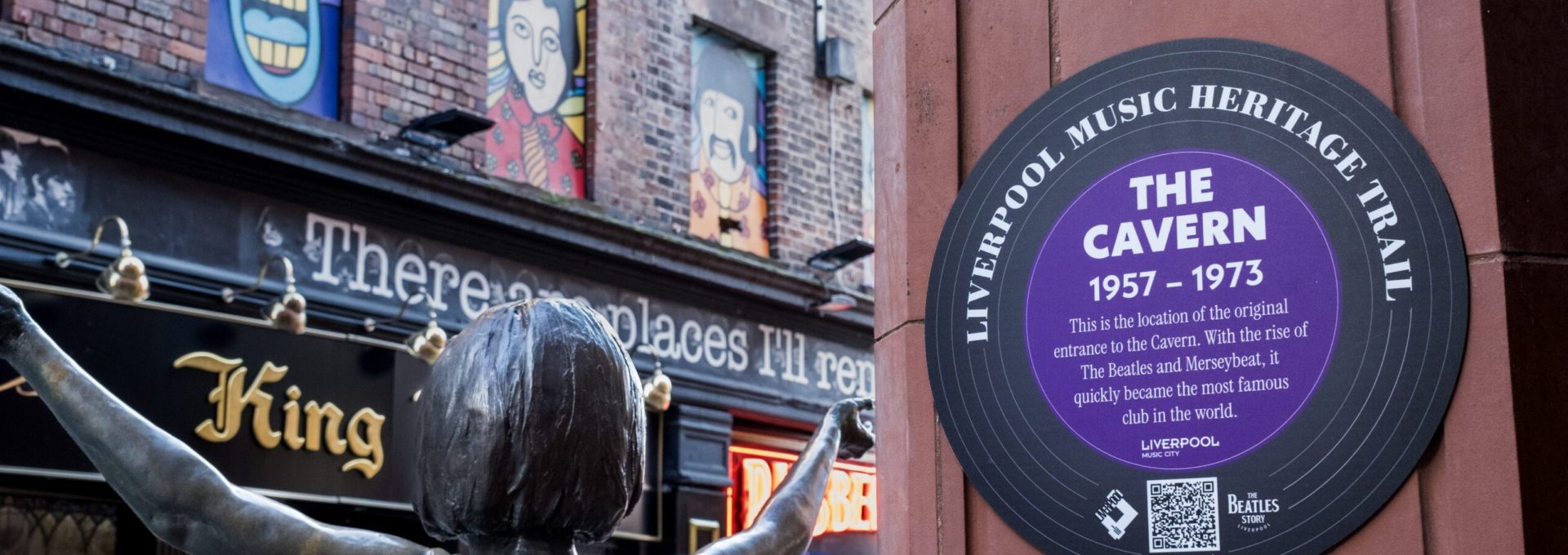
Supported by funding from The Beatles Story, the Liverpool Music Heritage Trail is the first of its kind in the city, featuring 12 plaques in the style of vinyl records positioned around the city in the locations of places that had an impact on Liverpool’s music scene over a period of 60 years. From 1957 – 2016, the locations selected demonstrate the identity that emerged from the city’s maritime heritage and its relationship with music, as grassroots, underground scenes found a place amongst the warehouses and brick-built basements, to create global phenomena.
Mary Chadwick, General Manager at The Beatles Story, said:
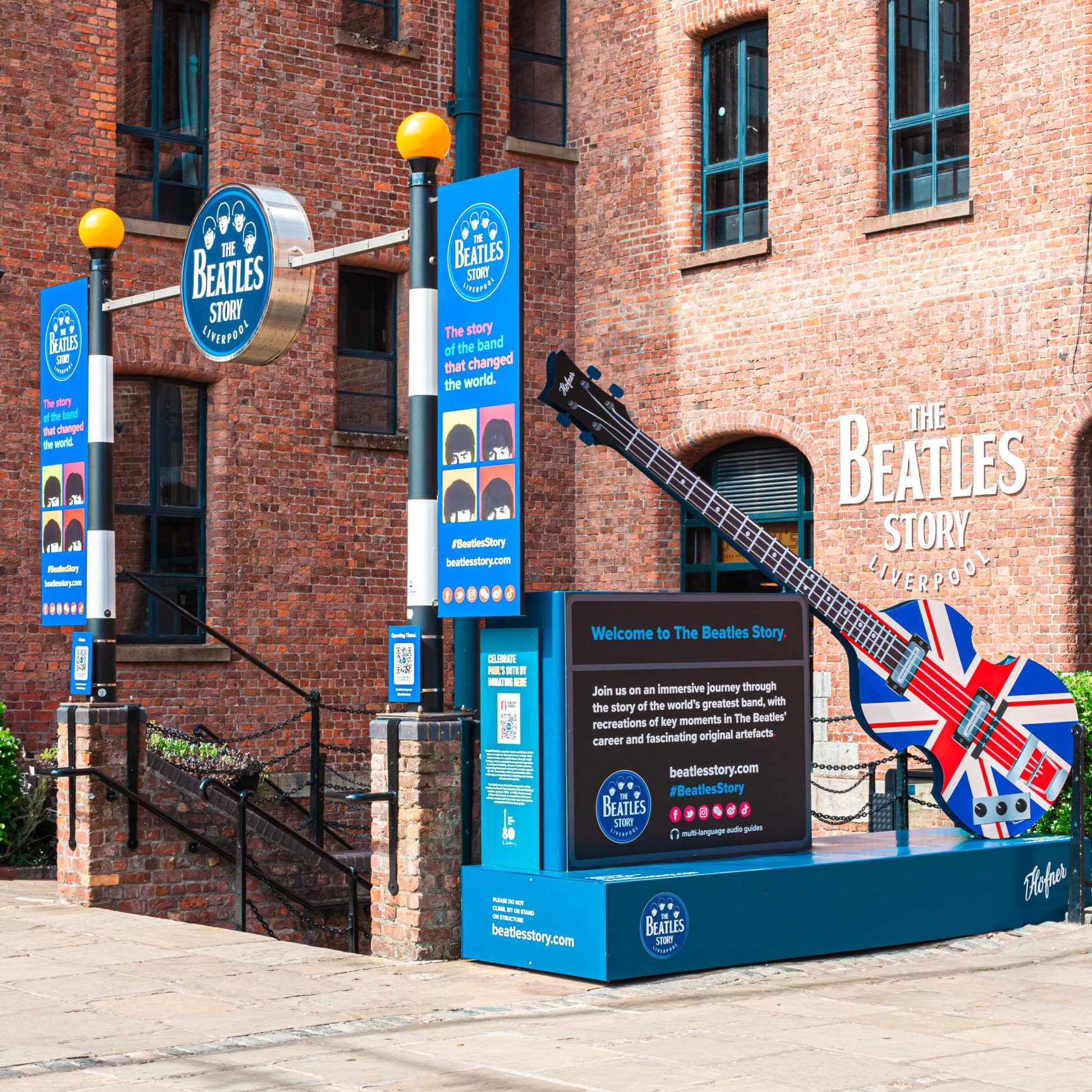
“For the past 36 years, we at The Beatles Story Museum at The Royal Albert Dock have been keeping the legacy of The Beatles alive through immersive experiences and impressive artefacts that tell the band’s story. We’re fortunate to be at the centre of Liverpool’s rich and important music history, and to be able to support this new Music Heritage Trail, keeping alive the legacy of not only The Beatles but of the city’s wider music impact, is something we’re very proud of.”
Taking 90 minutes to complete on foot, the free trail includes the original entrance of The Cavern Club on Mathew Street, along with venues such as Erics, The Lomax, Probe Records, NEMS, The Sink, and super-club Cream. People can connect with videos, historical information and playlists to bring each location to life and with the sounds, stories and human experiences that are embedded in Liverpool’s proud musical heritage, psyche and personality.
Peter Hooton, Chair of the BLG and frontman of the band The Farm said: “The Liverpool Music Heritage Trail feels like the perfect way to mark 10 years of The Beatles Legacy Group, as it solidifies our purpose to keep music at the heart of this magical city of ours. The concept of a music heritage trail came to me when I started doing music tours of the city a few years ago. As I was pointing out venues and record shops that no longer existed, people on the tour would ask me why there was no reference to many of these iconic places that had inspired and shaped our musical and cultural identity. I knew I had to try and celebrate them before they were lost in the mists of time.
“In 1957, the meeting of Lennon and McCartney first took place and that’s also when our musical journey begins, with the opening of the original location of The Cavern Club in the same year. We also include another pivotal step in The Beatles’ careers from 1962, when they signed their first official management contract with Brian Epstein in NEMS* on Whitechapel.
“The trail celebrates and explores these key Beatles’ locations of course, but 10 others take us through a variety of key musical moments. From Eric’s, a venue on Mathew Street which had a key impact on local musicians and hosted leading punk and new wave acts including The Clash, The Ramones and Joy Division during its four short years of opening, to the more contemporary venue The Kazimier, which closed in 2016. Located in Wolstenholme Square, it was just next door to another key part of the city’s music culture, Nation nightclub – the home of Cream – demonstrating just how diverse the past 60 years have been for Liverpool and how quickly music scenes move and develop, often in disused warehouse spaces linked to the port.”
As well as funding from The Beatles Story, the trail has been made possible with support from Liverpool City Region Combined Authority and Liverpool Business Improvement District (BID), who have been instrumental in securing agreements from the current businesses located where the plaques are to be placed.
Mayor of the Liverpool City Region, Steve Rotheram said: “Liverpool will always be synonymous with the four lads who shook the world. The story of The Beatles began here, and their success helped put our city on the global cultural map, inspiring generations of artists and continuing to attract visitors from around the world who still support our economy and local jobs even today.
“But The Beatles’ legacy is about much more than the past. It ignited a creative spark that still defines our region today. By protecting and promoting that heritage through initiatives like The Beatles Story and now the Liverpool Music Heritage Trail, we’re ensuring future generations continue to be inspired by the city that helped give the world a new soundtrack.”
As well as launching the Music Heritage Trail, the BLG is to form a not-for-profit Community Interest Company (CIC) and is announcing the commissioning of a new report reviewing the cultural and economic value of The Beatles over the past 10 years since the creation of the BLG.
Kevin McManus, board member of The Beatles Legacy Group and Head of UNESCO City of Music at Liverpool City Council said: “As a group, over the past 10 years we have supported a number of initiatives including the development of a Masters in Beatles Studies at the Institute of Popular Music, the creation of a Beatles Education Officer post, artwork commissions and the latest Music Heritage Trail. With more work to come and more quantifiable activities and opportunities to evaluate, including the additions of Strawberry Fields, the Beatles Museum on Mathew Street and the British Music Experience, it’s a great time to commission a follow-up report to assess the impact of The Beatles on our city.
“It will enable us to move forward into the next 10 years with really useful information to help guide our activities. We are also taking steps to formalise the group further by developing into a CIC to continue to have an impact and purpose within the Liverpool community. We want to work with our partners, neighbours and key people in the music community to support our shared goals to improve and sustain the impact of The Beatles on the city’s economy and cultural landscape.”
People can take part in the trail for free by downloading the map from www.liverpoolmusiccity.com/liverpool-music-heritage-trail and heading to any of the locations to begin.
QR codes on the plaques lead to a wealth of information via films and Spotify playlists compiled by the people who were there and knew the venues well. Earphones are recommended for the full experience.
Bill Addy CEO of Liverpool Business Improvement District, said:
“Cities always evolve and every generation has its music venues, cultural venues, clubs and bars. What does this have to do with business and the public realm? To fully be part of a city and to understand it, you have to understand its past as well as its present. We are delighted to support this trail because it provides a context and a history for the modern, vibrant music scene in the city. It also helps the hospitality businesses that have grown around historic venues so it’s about exploring a city further. For visitors we hope this gives an added flavour of the psychogeography around music and culture in Liverpool”.
Things To Do in Liverpool
Discover Liverpool, the birthplace of The Beatles. This is your handy guide to help you make the most of your trip to Liverpool and The Beatles Story, complete with advice and exclusive offers!
Things To Do in Liverpool