
During the summer of 1969, The Beatles were hard at work in EMI Studios on Abbey Road, recording two songs that would become defining moments not only on Abbey Road, but in George Harrison’s remarkable songwriting career: “Something” and “Here Comes the Sun.”
More than half a century later, these songs remain among the most beloved in The Beatles’ catalogue. They are streamed by millions of listeners every year, performed by countless artists and continue to introduce new generations to George Harrison’s songwriting. Yet their success was years in the making.
While John Lennon and Paul McCartney are rightly celebrated as one of the greatest songwriting partnerships in music history, George Harrison’s journey to becoming a songwriter was one of patience, determination and quiet perseverance. The recording session on this day in 1969 marked the moment when that journey reached its peak within The Beatles.
Finding His Voice
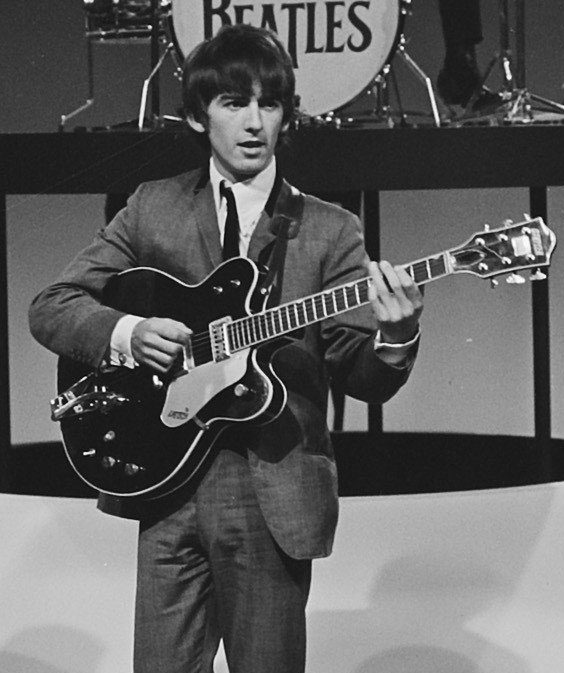
When The Beatles first burst onto the music scene in the early 1960s, Lennon and McCartney were already writing the majority of the band’s original material. George, the youngest member of the group, initially focused on developing his skills as a guitarist while occasionally contributing ideas of his own.
His first published Beatles composition, “Don’t Bother Me,” appeared on With the Beatles in 1963. Although George later admitted he wasn’t particularly fond of the song, it represented an important first step. Writing songs was something he knew he had to practise, and he was determined to improve.
As Beatlemania spread around the world, George continued to write whenever opportunities arose. Songs such as “I Need You” and “Think for Yourself” demonstrated growing confidence, while “If I Needed Someone” revealed his ability to craft memorable melodies influenced by the folk-rock sounds of the mid-1960s.
Although his songs often appeared only once or twice on each Beatles album, George was steadily developing a style that was entirely his own.
A Different Musical Perspective
One of George Harrison’s greatest strengths as a songwriter was his willingness to explore new musical ideas.
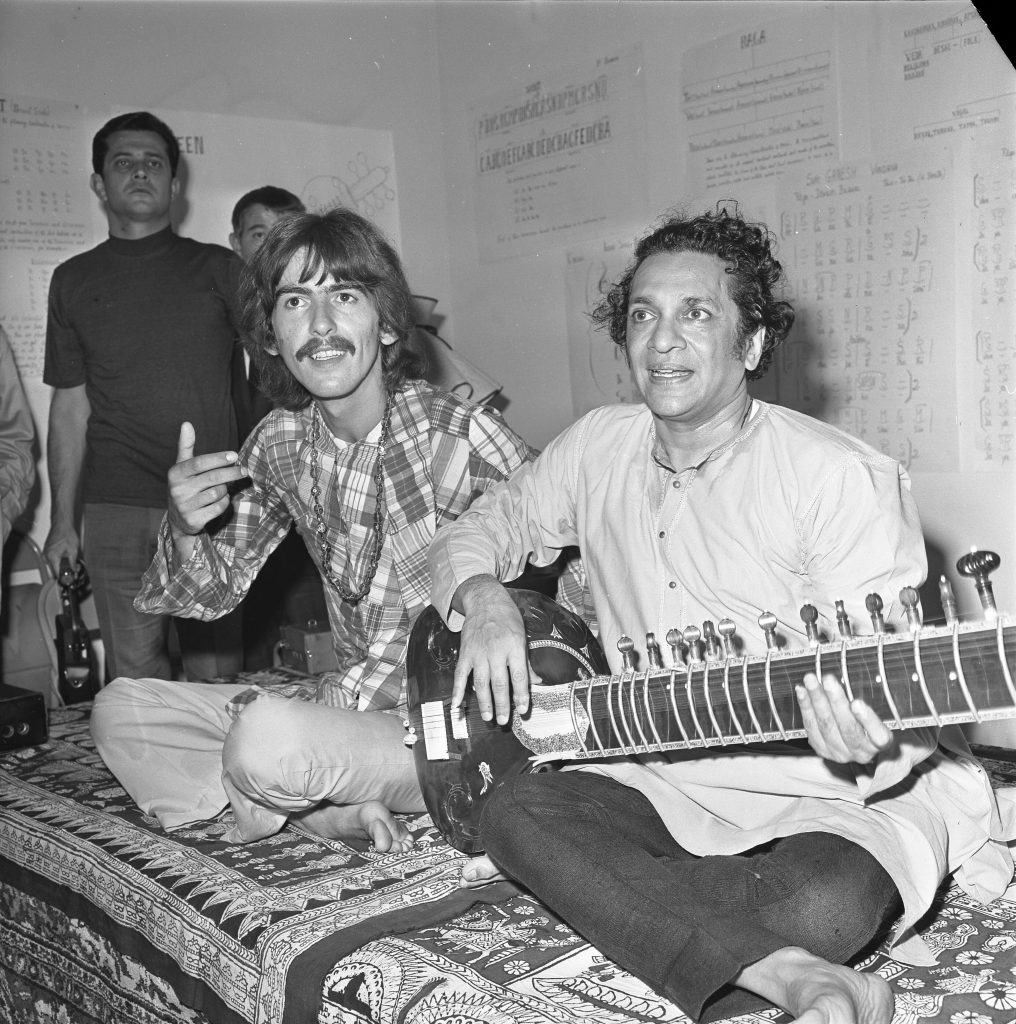
His fascination with Indian music and culture, sparked by hearing the sitar while filming Help! in 1965, transformed his approach to songwriting. Studying with renowned sitar player Ravi Shankar introduced George to different scales, rhythms and philosophies, all of which began influencing his music.
Songs such as “Love You To” and “Within You Without You” brought Indian instrumentation and spiritual themes into The Beatles’ work, helping broaden the band’s musical horizons.
At the same time, George’s lyrics became increasingly thoughtful, often reflecting ideas about self-discovery, spirituality and the search for inner peace. His writing offered a different perspective to the observational wit of Lennon or the melodic optimism of McCartney, giving The Beatles an even richer creative palette.
The Road to Abbey Road
By 1969, relations within The Beatles had become increasingly strained. The difficult Get Back sessions earlier that year had exposed tensions within the band, and George himself had briefly walked out during rehearsals.
Despite these challenges, the recording sessions for Abbey Road became one of the group’s most focused and collaborative periods. Producer George Martin later described the atmosphere as a return to the discipline that had characterised the band’s earlier recordings.
Most importantly for George Harrison, he arrived with some of the strongest songs he had ever written.
“Something” – A Timeless Love Song
Few songs in popular music have earned as much admiration as “Something.” George began writing the song during the sessions for the Beatles’ self-titled 1968 album (commonly known as the White Album), but it wasn’t completed until the following year. Inspired by both personal relationships and his admiration for soul music, the song combined elegant melody with understated lyrics that have resonated with listeners ever since.
The cheery guitar melody marked the beginning of Side 2 and one of the standout moments on Abbey Road. Upon its release, the song received widespread acclaim. It became the first George Harrison composition to be released as the A-side of a Beatles single, sharing the honours with “Come Together.” The song has since been covered by hundreds of artists, including Elvis Presley, James Brown, Shirley Bassey and Frank Sinatra, who famously described it as “the greatest love song of the past 50 years.”
Today, “Something” is regularly ranked among the greatest songs ever written and stands as proof of George’s extraordinary talent as both a composer and lyricist.
“Here Comes the Sun” – Hope in Difficult Times
If “Something” showcased George’s gift for writing timeless love songs, “Here Comes the Sun” revealed his ability to capture hope and optimism.
The song was written in the spring of 1969 while George was spending time at Eric Clapton’s home in Surrey. Taking a break from the pressures of endless business meetings and disagreements surrounding Apple Corps, George found inspiration simply by walking through Clapton’s garden as winter gave way to spring. The result was a song filled with warmth, optimism and quiet joy.
George’s intricate acoustic guitar work, combined with the song’s unusual time signatures and beautiful Moog synthesiser parts added later in the sessions, demonstrated just how far he had developed as both a musician and songwriter.
More than five decades later, “Here Comes the Sun” has broken the record of being The Beatles’ most streamed song on Spotify with over a billion listens worldwide and continues to soundtrack celebrations, films and everyday moments across the globe.
![George Harrison and Eric Clapton performing at The Prince's Trust ROck Gala in 1987. Harrison wrote "Here Comes the Sun" in Clapton's garden. Photo by Steve Mathieson, via Wikimedia Commons (CC BY-SA [licence version]).](https://www.beatlesstory.com/app/uploads/2026/07/Harrison_and_Clapton_clip.jpg)
George’s Legacy Within The Beatles
The success of “Something” and “Here Comes the Sun” represented more than just two excellent songs.
They symbolised George Harrison finally receiving widespread recognition as a songwriter capable of standing alongside Lennon and McCartney. While his contributions had often been limited to one or two songs per album, the quality of his work by 1969 was undeniable.
Many music historians have suggested that George’s growing catalogue of songs deserved even more space on Beatles albums during their final years. His subsequent triple album, All Things Must Pass, released in 1970, only reinforced that view, showcasing a wealth of material that had accumulated during his final years with the band.

George Harrison: A Life in Artefacts
George Harrison’s creativity continues to inspire millions around the world, and visitors to The Beatles Story can explore his remarkable journey through immersive exhibitions and unique memorabilia, including his first guitar!
Read the story here!