
We’re always interested in sharing stories from the next generation of Liverpool creatives. We recently spoke with Sidak Sachdeva, a Year 9 student from Liverpool, about his short historical fiction novel From the Docks to the Stage, which explores life in the city during the late 1950s. In this interview, Sidak discusses his inspiration, research, and how writing the book helped him connect with Liverpool’s history, culture and musical heritage.
About Sidak
Can you tell us a little bit about yourself and what you enjoy doing?
My name is Sidak Sachdeva. I am 14 years old and from Liverpool. I am autistic, a published author and I love mathematics. I like difficult problems, puzzles and finding patterns, and I am already studying some maths well above my school year.
I tend to look for patterns, logic and connections in almost everything. I love collecting used bottle lids, and I have a collection of more than 5,000 and it’s still growing! I like sorting them in different ways, looking for patterns and sometimes trying to create my own rules or formulas from them. Something that might look like an ordinary lid to someone else can become a maths problem for me.
I am also interested in physics, Spanish, Liverpool’s history and public speaking, although speaking can sometimes be difficult for me. I often approach these subjects in the same way: I ask questions, look for patterns and try to understand how one thing connects to another.
That is actually one of the reasons my Liverpool history project became much bigger than I expected. I started with one question about Liverpool’s docks and music, but the more connections I found, the more I wanted to investigate.
Writing is different from speaking because it gives me time to organise my thoughts and say what I really mean.
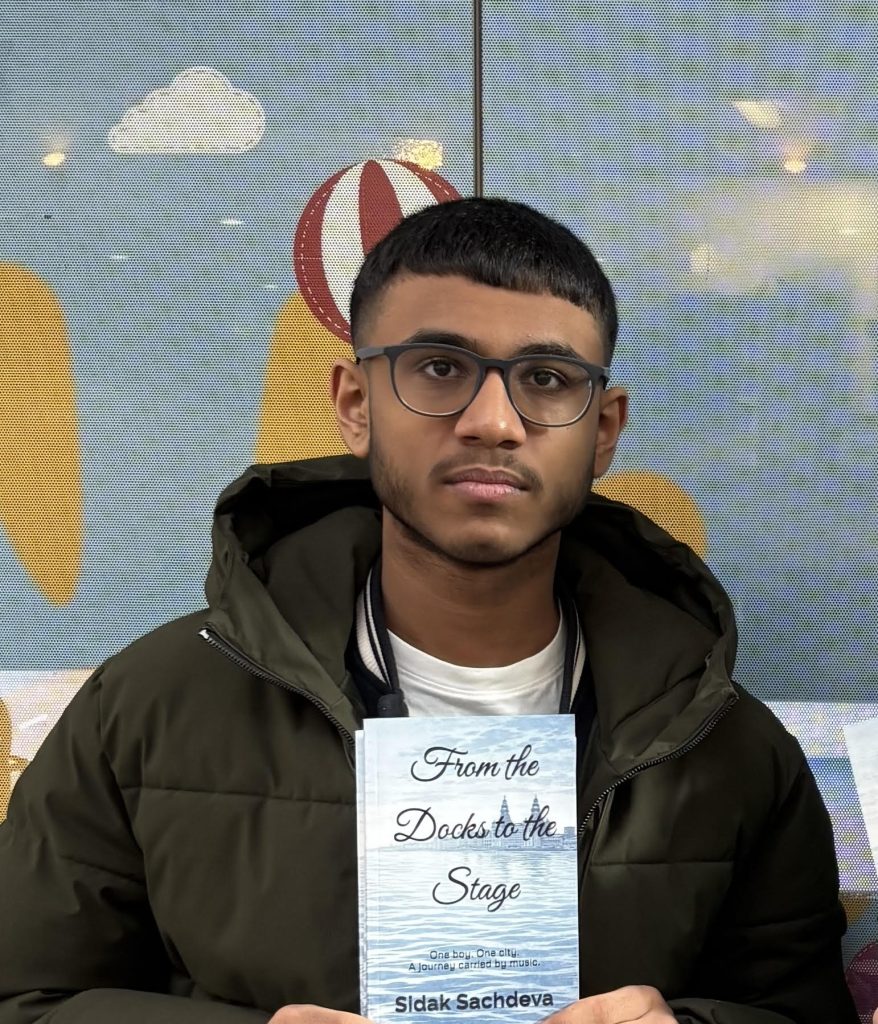
How old were you when you started writing From the Docks to the Stage?
I was 14 when the idea began. It started as a small history homework project during the half-term holidays.
The question was: “Is Liverpool more famous for its docks or its music?”
At first, I thought it would have a simple answer. However, the more I researched, the more I realised that the docks and Liverpool’s music story were connected. Liverpool’s links with America helped expose young people in the city to American music and records, which influenced the new sounds developing here.
My homework kept growing. It eventually became my entry for a historical-fiction competition run by the Northern Schools Trust. I was very surprised when it won, and the judges described it as “one of the finest pieces of student fiction.”
That made us think that perhaps Patrick’s story could become something bigger. Eventually, it became a complete illustrated book.
What first made you want to become a writer?
Writing has been part of my life for a long time. I have written journals since I was about six years old.
Verbal communication has always been difficult for me. When somebody speaks, I have to understand the words, their tone, the context and sometimes a meaning they have not said directly. That can be a lot to process at once.
When words are written down, they stay still. I can look at them, think about them and improve them. My early journals were quite literal and did not contain many feelings, but they gave me a way to communicate.
I did not suddenly decide, “I am going to become an author.” I started writing because it helped me make sense of things. Becoming an author came afterwards.
About the Book
What is From the Docks to the Stage about?
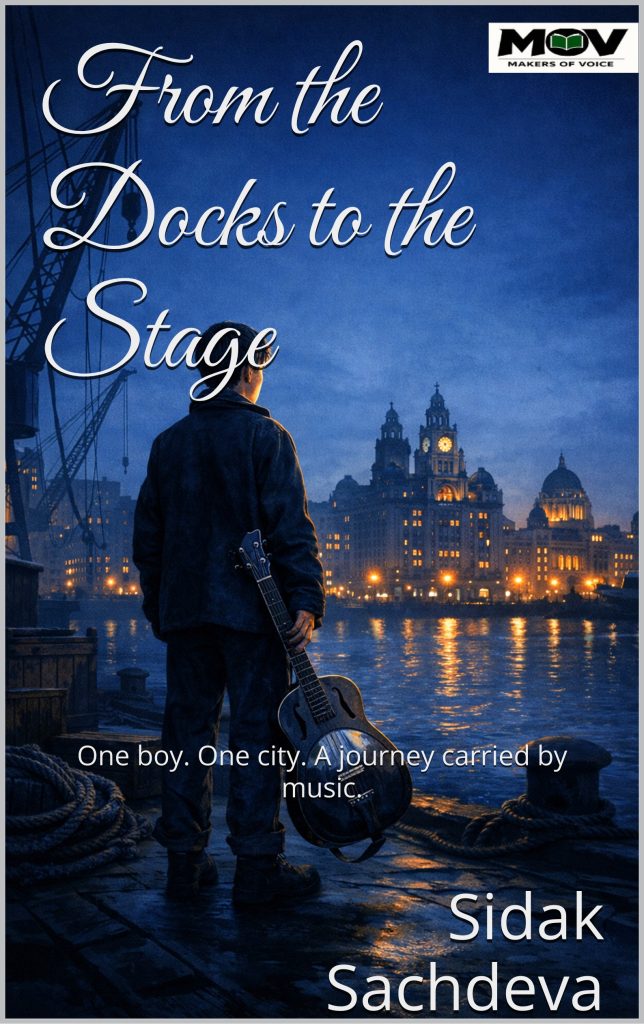
The book follows Patrick Flynn, a 15-year-old boy living in Liverpool in 1957.
Patrick enjoys school, and his father, Seán, wants him to have opportunities that he never had. However, Seán dies in an accident at the docks. Patrick’s family is left with very little money, so Patrick has to leave school and look for work.
His life becomes difficult, but an unexpected connection with music gives him hope and begins to change his future.
It is a story about Liverpool’s docks, Irish families, hardship, inequality and the beginning of a new musical era. Most importantly, it is about an ordinary young person carrying a very heavy responsibility and refusing to give up.
Why did you decide to set the story in 1950s Liverpool?
The late 1950s were an important time of change for Liverpool.
The docks were still central to the city, but working life was beginning to change. Liverpool was also still recovering from the Second World War. Bomb damage, poverty and inequality had not simply disappeared.
At the same time, something exciting was happening with music. Liverpool’s international connections helped young people discover American music, while skiffle and rock and roll were becoming increasingly popular. The Cavern was also becoming part of the city’s developing music scene.
I wanted Patrick to stand between those two Liverpools: the older city of hard and dangerous dock work, and the changing city that would soon become famous around the world for music.
What was your favourite scene to write?
My favourite part was writing Patrick’s experience at the Cavern.
Earlier in the story, Patrick’s world is filled with the sounds of cranes, ropes, ships and men shouting at the docks. At the Cavern, he enters a completely different world filled with guitars, drums and excitement.
I liked imagining Patrick hearing something new at a time when nobody yet knew how important Liverpool’s music would become around the world.
His problems do not suddenly disappear, but for the first time he begins to see another possibility for his future.
For me, that is the point where hardship begins to turn into hope.
What do you hope readers take away from the book?
I hope readers understand that history is not only a collection of dates. It is made from the lives and decisions of ordinary people.
Patrick cannot control everything that happens to him, but he can decide how he responds. Other characters also have choices. They can ignore unfairness, or they can show courage and kindness.
I want readers to take away a message of resilience. Life can change suddenly, and the route you expected may disappear. That does not always mean your journey is over. Sometimes a different path opens.
I also hope the book makes readers curious about Liverpool and encourages them to discover the real history behind the story.
Liverpool and The Beatles
What interests you most about Liverpool’s history?
I am interested in how so many different parts of history meet in Liverpool.
The River Mersey brought ships, workers, migrants, goods and ideas into the city. Irish families arrived in large numbers during and after the Great Famine. Liverpool played an important role as a port during wartime and suffered terrible bombing during the Blitz. Later, Liverpool’s international connections also helped new musical influences reach the city.
Liverpool’s history contains a lot of hardship, but also movement, change and creativity.
That is what interests me most. One part of Liverpool’s history nearly always seems to connect to another.
How did you research life in Liverpool during the 1950s?
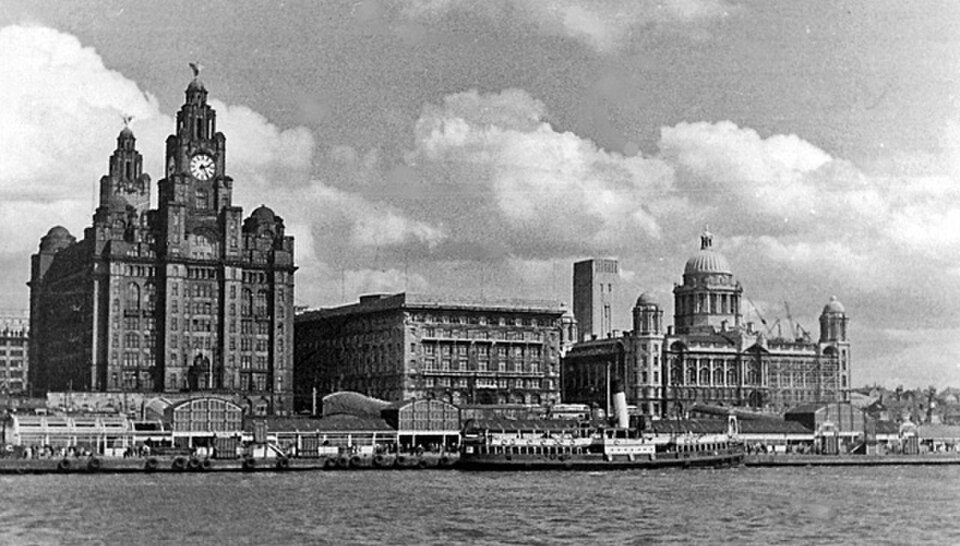
I visited places instead of relying only on written information. I walked around Liverpool’s old docks and tried to imagine them filled with ships, cargo, cranes and men waiting for work.
I researched dock labour, Irish migration, the Liverpool Blitz, post-war Britain, shipping and the beginnings of Liverpool’s changing music scene. I checked timelines carefully because I wanted the events in Patrick’s life to be historically possible.
I kept asking questions: Would this really have happened in 1957? What work was available? How would the family survive? What music would people have heard?
I also watched historical programmes, looked at old photographs and asked my dad many questions. Understanding long pieces of text can sometimes be difficult for me, so videos, photographs, audiobooks and visiting real places help history become much clearer.
What role do The Beatles and the changing music scene play in the book?
The Beatles represent the enormous change that was beginning in Liverpool.
The story starts in 1957, before Beatlemania. Skiffle and rock and roll were popular, young musicians were experimenting with different sounds, and Liverpool’s connections across the Atlantic exposed the city to American musical influences.
The story is not a biography of The Beatles. Instead, it shows the Liverpool from which The Beatles and Merseybeat would eventually emerge.
For Patrick, music also represents possibility. His life seems to have been decided for him after his father dies, but music allows him to imagine that another future might exist.
The same river that carried cargo into Liverpool also carried the sounds that helped change the city.
Writing and Autism
How has writing helped you personally?
Writing gives me time.
In conversation, people may expect an immediate answer. I might still be processing the question when the conversation has already moved forward. When I write, I can stop, organise my ideas and choose the words I need.
Writing has also helped me explore feelings. I naturally think in quite a factual and literal way, so describing emotions does not always come easily. When I created Patrick, I had to think about grief, responsibility, unfairness, friendship and hope.
The book became a bridge. It connected me with history, but it also connected me with readers and eventually gave me a reason to stand up and speak to people.
Has autism given you any strengths when it comes to writing stories?
Yes. Autism can create difficulties for me, but it also gives me useful strengths.
When I become interested in a subject, I can concentrate on it deeply. I enjoy finding patterns, checking details and making sure things connect logically. Those skills helped me research Liverpool and build a believable timeline.
I also notice when something does not fit. I kept asking questions such as: Would this really have happened? Does the timeline work? What would happen next if the family had no money?
I sometimes need support with emotional language or making dialogue sound natural, but my curiosity, concentration and attention to detail are important parts of how I write.
What would you say to other autistic young people who have creative ideas they want to share?
Do not think that finding speaking difficult means you have nothing to say.
There are many ways to communicate. You might write, draw, compose music, make videos, take photographs, build something or use technology. Start with the method that works for you.
Do not worry if the first version of your idea is small or imperfect. My book started with one homework question. Keep asking questions and let your idea grow.
It is also fine to accept support. Receiving help does not mean that the idea stops being yours. Find people who help you express your voice without replacing it.
“
A difficulty communicating today does not decide how powerful your voice may become in the future.
How did it feel to hold a printed copy of your own book for the first time?
It felt strange at first because the story had previously existed only on a screen and in my mind.
When I held the printed copy, I could see my name on the cover and turn real pages containing characters I had created. That made the achievement feel real.
I also thought about how the whole thing had started with a small piece of homework. I could never have predicted that it would win a competition, become a published book, reach hundreds of readers and eventually lead to me speaking at The Beatles Story.
I felt proud, but I also remember thinking, “What can I write next?”
Sidak speaks to the Neuroinclusive Champions Network.
Watch Sidak give a speech at the launch of the Neuroinclusive Champions Network. The event brought together over 20+ primary schools to explore how classrooms can become more inclusive for neurodiverse children.
Family Support
How did your family help and encourage you during the writing process?
My family has supported me from the beginning.
My dad helped me plan my research, visit historical places and think through questions about the story. He also helped me understand where readers might need more explanation. My mum encouraged me to continue when the project became much bigger than the original homework.
Because communication can be difficult for me, my family also helps me prepare for meetings, book signings and presentations. We practise possible questions and break large tasks into smaller steps.
The ideas and story were mine, but my family gave me the structure and support I needed to develop them and express them.
The book is dedicated to my mum and dad because they are my world.
Future Plans
Are you working on any projects at the moment?
Yes. Alongside studying for my GCSEs, I am researching and developing a follow-up to From the Docks to the Stage, which I am currently calling From the Stage to the Stadium.
The first book explored how Liverpool changed from a city known mainly for its docks into a city that also became famous around the world for music. For the next book, I am researching another change: how Liverpool moved from the great music era of the 1960s towards becoming a city equally famous for football.
But one thing I am discovering is that music and football did not simply replace each other. They became intertwined.
You can still see this in Liverpool today. If you walk around Mathew Street and go into some of the pubs and restaurants, you might see Liverpool football being shown on a big screen while Beatles music is playing in the same place. I find that really interesting. Two different parts of Liverpool’s history are happening together in one room.
That made me start asking questions. When did football become such a big part of Liverpool’s identity? What was happening to music at the same time? Did football supporters and musicians influence each other? How did songs become part of football culture? And why are music and football both still such powerful parts of the city today?
I am also lucky to have some kind Irish musicians helping me with my research and sharing their knowledge and experiences of music with me. At the same time, I have some passionate Liverpool FC supporters helping me look at the same period through a sporting lens. I find it fascinating when people from different backgrounds look at the same history in different ways. Sometimes one conversation gives me a completely new question to investigate.
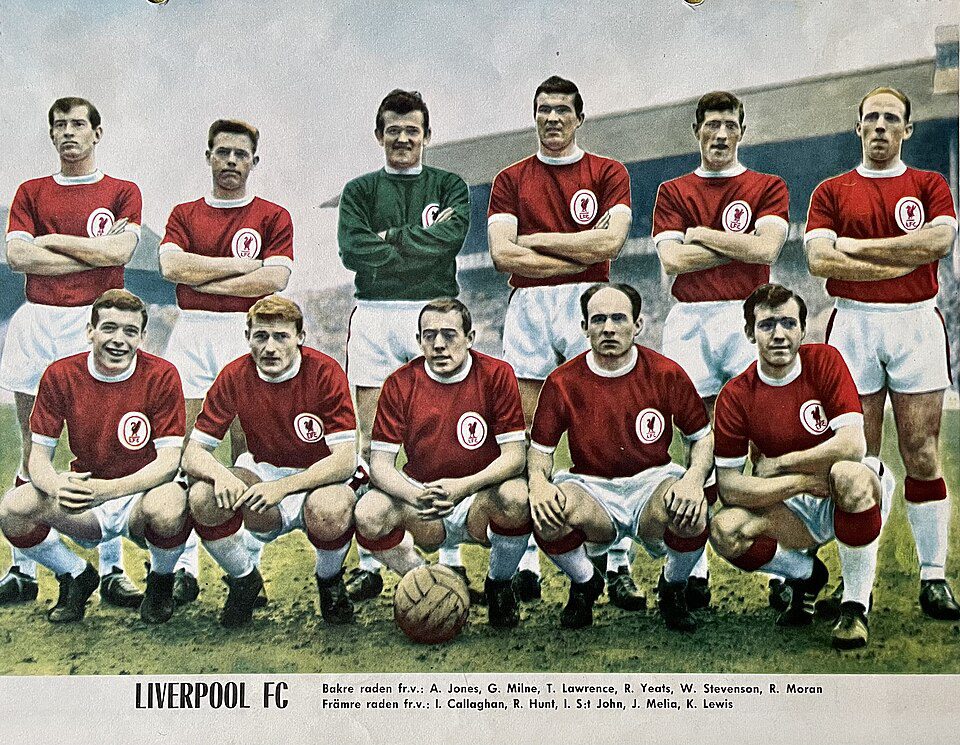
The new story will continue through Patrick’s family, but I want the history behind it to be as important as it was in the first book. The first story travelled from the docks towards music. The next will travel from music towards football.
Since From the Docks to the Stage was published in February 2026, more than 500 copies have been sold, with more than 200 additional copies donated to charities. The response has encouraged me to continue the story.
Together, I hope the books can explore three things that helped make Liverpool known around the world: the docks, music and football and the connections between them.
What are your dreams as a writer?
My first dream is to complete From the Stage to the Stadium and make it a worthy continuation of Patrick’s story.
In the future, I would like my books to be read in more schools and libraries. I would especially like them to help young people see that history is about real lives, not just facts to remember for an examination.
I would also like to keep speaking at events. Public speaking is challenging for me, but every event gives me more experience and confidence.
My biggest dream is that another young person, especially somebody who communicates or learns differently, reads about my journey and thinks, “Perhaps my idea can become something too.”
Is there another period of history you’d love to write about?
At the moment, I want to continue exploring Liverpool as it changes through music and football.
There are important periods I would like to understand better, including the growth of Liverpool Football Club and the way football became connected to the identity of the city. I am interested not only in matches and trophies, but also in the supporters, families and communities around the club.
Further in the future, I would like to explore periods when science and mathematics changed the world. I enjoy stories where one discovery or idea causes many other changes.
The Memory Café Experience
Looking back, how do you feel about taking part in The Beatles Story’s Memory Café, and what did the experience teach you about sharing your writing with others?
I feel very proud and grateful that I was invited to speak at The Beatles Story’s In My Life Memory Café.
Before the event, I was nervous because it was a new audience and a very special location. However, everyone made me feel welcome and people listened carefully to Patrick’s story.
The experience taught me that sharing a book is not only about explaining what happens in it. It is also about creating a connection.
When I spoke about the docks, music and the Cavern, these were pieces of history that I had researched. But for some people in the audience, they were connected to their own lives and memories.
That made the experience very different for me. I realised that once a writer publishes a story, readers can connect it with their own experiences and give it meanings that the writer may never have expected.
Sidak Speaks at the In My Life Memory Cafe
Watch Sidak give a presentation on his new book at the In My Life Memory Cafe, The Fab4 Cafe Pier Head.
Many of the people attending the Memory Café have their own memories of Liverpool’s history and music. What was it like meeting them and hearing their stories?
This was one of the most interesting parts of the experience.
I had researched Liverpool’s past. Some of the people sitting in front of me had actually lived through part of that history.
They remembered Liverpool’s music, the docks, places around the city and how life had changed. Their memories added details that cannot always be found in a textbook. I enjoyed hearing which parts of Patrick’s story reminded them of people, places or experiences they had known.
The Memory Café is designed to be welcoming to people living with dementia and their carers. It also showed me how music and stories can create connections between different generations.
I arrived to share Patrick’s story, but I also left carrying some of Liverpool’s real stories with me.
Has taking part in the Memory Café given you more confidence as an author?
Yes. Every speaking event is a challenge for me because spontaneous communication is not easy. I prepare carefully, practise my words and think about what the audience may want to know.
At the Memory Café, I was able to stand up in one of Liverpool’s best-known attractions and speak about a book that started as my school homework. Afterwards, people came to speak to me, asked questions and wanted signed copies.
That showed me that Patrick’s story could connect with people from a completely different generation.
Confidence does not mean that I am never nervous. For me, confidence means being nervous and still standing up to speak.
A few years ago, communication itself was one of my biggest difficulties. Now my writing is giving me opportunities to communicate with whole audiences.
That is something I am very proud of.
In My Life Memory Café, Pier Head
In My Life Memory Café is hosted by The Beatles Story’s Fab4 Café at the Gerry Marsden Ferry Terminal, Pier Head, Liverpool. In My Life Memory Café creates a friendly, community-centred space where people living with dementia, their carers, and loved ones can come together to chat, support one another, and re-ignite cherished memories through music and shared activities in Liverpool.
With a focus on nostalgia around The Beatles and the 1960s, visitors will be transported back in time through the use of simple games, craft activities and music.
The £1 per person entry fee includes refreshments such as tea, coffee and biscuits.