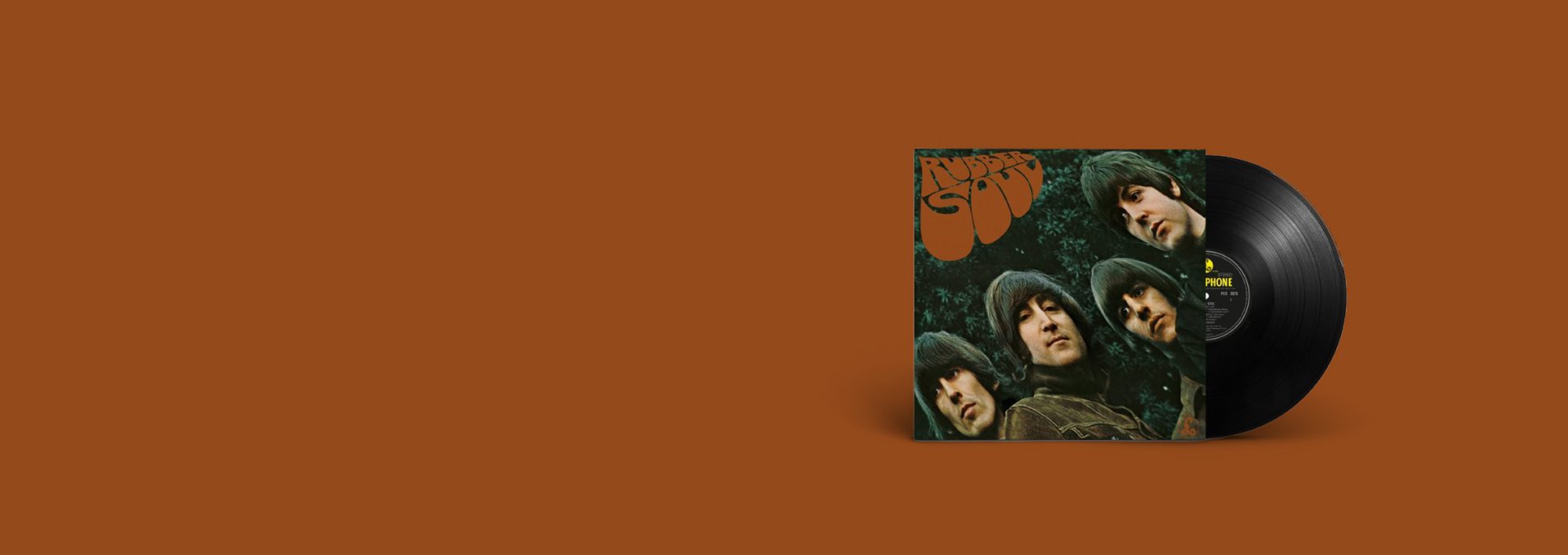
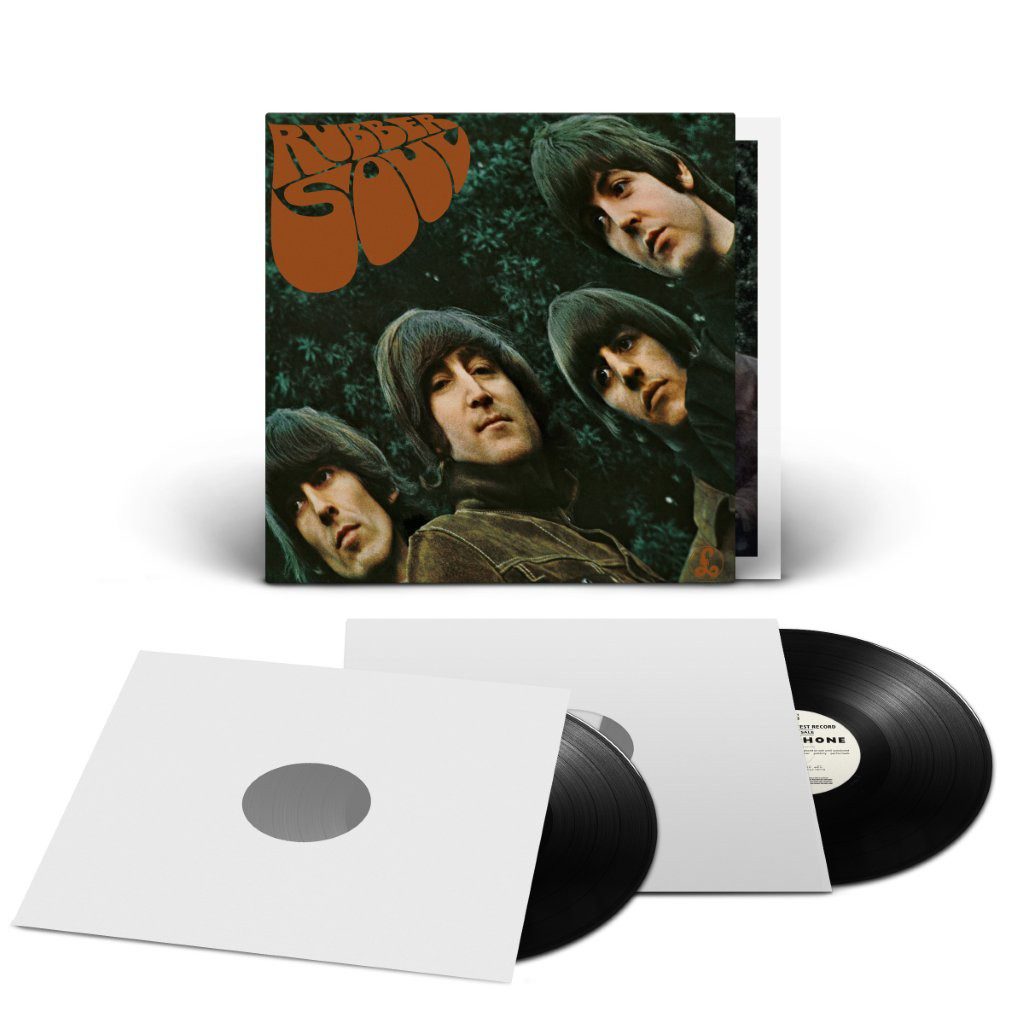
In 1965, The Beatles were inescapable. They had just released their second film Help!, one of the top box-office smashes of the year, and Beatlemania was still in full swing, with them recently setting a new concert attendance record at New York’s Shea Stadium. Behind the screaming crowds and chart-topping singles, a creative transformation was taking place. By the autumn of 1965, John Lennon, Paul McCartney, George Harrison, and Ringo Starr were beginning to look beyond the familiar formulas that had brought them fame. The result would be Rubber Soul, an album that marked one of the most important turning points in their career. With the newly expanded Rubber Soul Special Edition set for release on 2nd October 2026, let’s revisit one of The Beatles’ most beloved albums.
A Race Against Time
Under strict contractual obligations with EMI’s Parlophone, The Beatles were required to release two albums in 1965, and Help!, having not been released until August, put them on a tight schedule. Furthermore, the music industry has a longstanding tradition of releasing major albums ahead of the lucrative Christmas market, and the winter holidays were coming up. The easier route to take would have been to fill out empty spaces on the album with covers of their favourite artists where songwriting inspiration fell short, like they did on Beatles for Sale and Help!
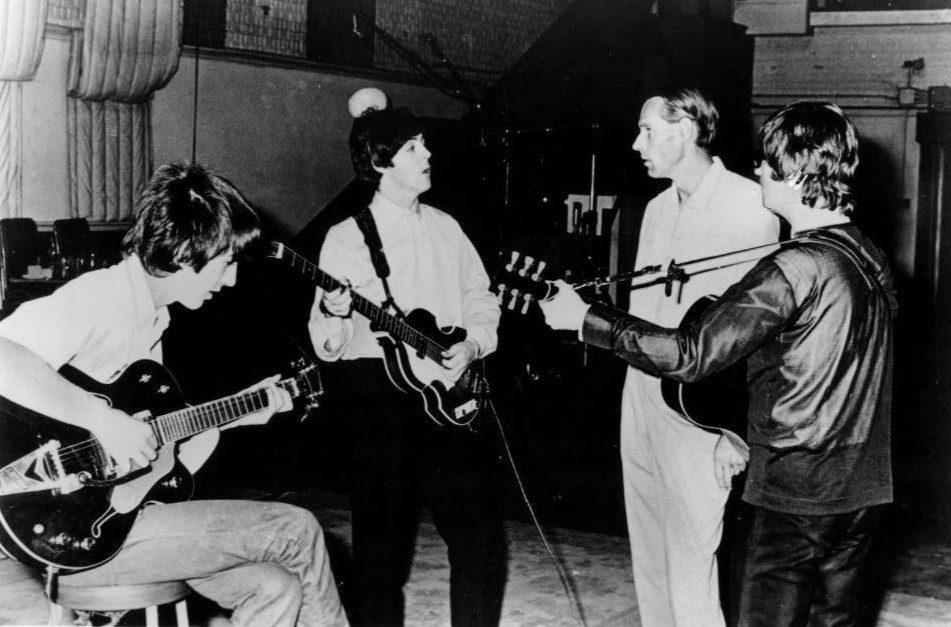
Instead, The Beatles decided to push themselves creatively, producing material at an astonishing rate and looking to different sources for inspiration. They had grown weary of Beatlemania’s relentless cycle of promotion and touring, often performing to crowds whose screams drowned out the music itself, and wished to achieve the artistic respect garnered by their peers like Bob Dylan, The Rolling Stones, and The Byrds. Rubber Soul represented the culmination of new lyrical themes, ambitious songwriting, and a determination to expand what could be achieved within the walls of the recording studio.
“
I felt we were progressing in leaps and bounds, musically. Some of the material on…Rubber Soul...was just brilliant; what was happening elsewhere was nothing like it.
Plastic Soul?
Many fans are oblivious as to the title of the album: Rubber Soul? What does it mean? Even The Beatles offered different explanations over the years, but most of them point to the same idea: the growing influence of American soul and R&B music on the band’s sound. According to Paul McCartney, the phrase was inspired by an American musician describing Mick Jagger’s singing as “plastic soul”. Ringo Starr remarked that the title how the band acknowledged a simply reality that they could be derided as cheap British imitations of a Black American music genre. So instead of outright appropriation, Rubber Soul was The Beatles’ attempt to put their own Liverpudlian twist on the genre, or, as Beatles biographer Phillip Norman described it, as a “good strong northern [English] Wellington boot”.
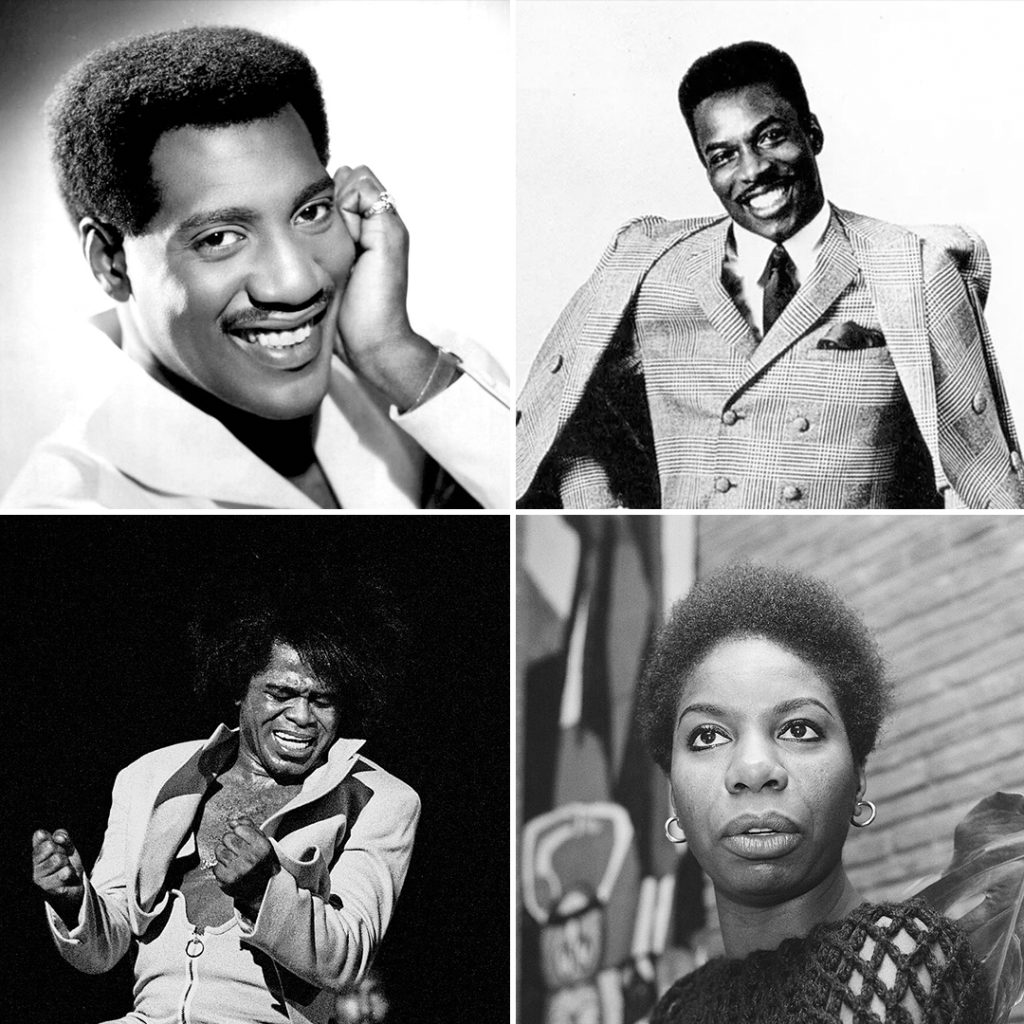
Drawing heavily from American soul and R&B, the band infused songs across the album with influences from their favourite artists. “Drive My Car” channels the bass-heavy sound of Otis Redding’s Stax recordings, while “The Word” echoes the rhythms of Wilson Pickett and James Brown. Elsewhere, “You Won’t See Me” was inspired by The Four Tops’ “It’s the Same Old Song”, and McCartney even borrowed the line “I love you, I love you, I love you” in “Michelle” from Nina Simone’s version of “I Put a Spell on You”. Rather than simply copying these influences, The Beatles transformed them into something entirely original and unlike anything heard before.
“
By the time of Rubber Soul [The Beatles] were ready for new musical directions. In the early days they were very influenced by American rhythm-and-blues. And then, as time went on, other influences became apparent: classical influences and modern music.
A More Mature Beatles
Rubber Soul marked a significant step forward in The Beatles’ songwriting, where they truly pushed themselves creatively to tackle more serious and mature themes in their music, inspired in part by Bob Dylan and the growing folk influences in popular music. Ringo Starr described the development as “stretching the writing and the playing a lot more”.
“
The direction was moving away from the poppy stuff like "Thank You Girl", "From Me To You" and "She Loves You". The early material was directly relating to our fans, saying "please buy this record", but now we’d come to a point where we thought, "We’ve done that. Now we can branch out into songs that are more surreal, a little more entertaining".
The shift is evident throughout the record. Songs such as “Think for Yourself” and “The Word” explored philosophical and spiritual ideas rarely heard in mid-1960s pop music, while “Nowhere Man” transformed John Lennon’s personal frustration with writer’s block into a wider reflection on alienation and belonging.
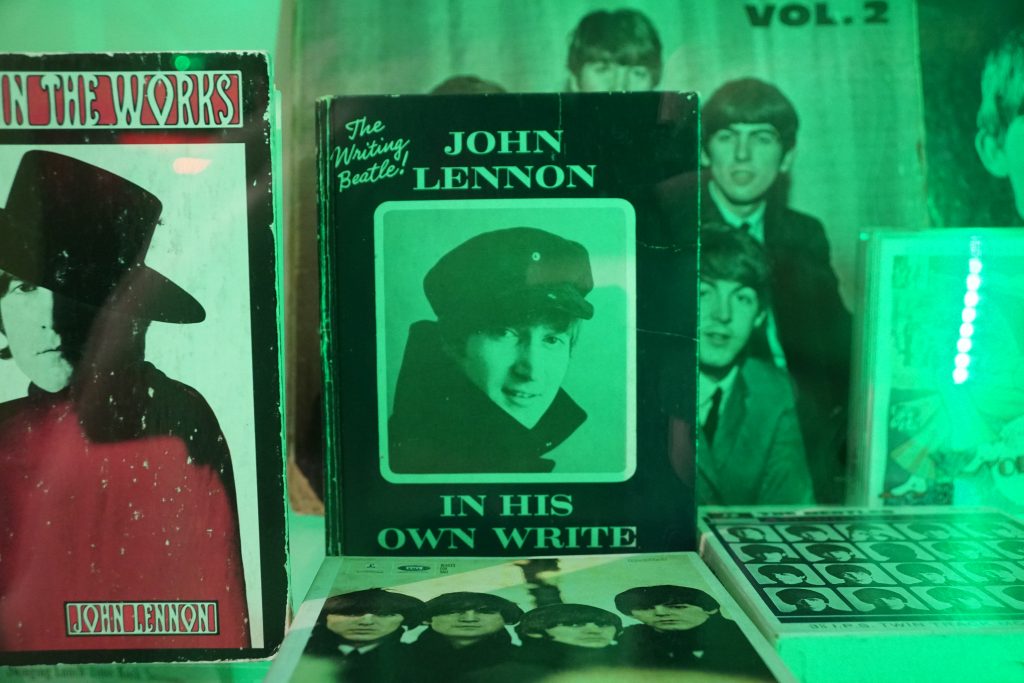
Meanwhile, “In My Life” offered something even more unusual: a nostalgic reflection on people and places from the past, rather than the romantic themes that dominated contemporary chart music. The song was inspired by a journalist’s suggestion after the publication of his book In His Own Write that John Lennon draw on his own life and childhood experiences in his songwriting, resulting in one of The Beatles’ most personal and introspective compositions.
The album also pushed lyrical boundaries. “Norwegian Wood” hinted at an extramarital encounter with remarkable directness for its time, while the title and lyrics of “Drive My Car” have often been interpreted as containing playful innuendo. Even “Girl”, one of Lennon’s most celebrated compositions, touched on themes of pain, desire and religion, with Lennon later explaining that it was partly inspired by his thoughts on Christianity and the idea that suffering leads to reward. It was now clear to the whole world: The Beatles had grown up.
New Sounds
While Rubber Soul is often praised for its songwriting, it was just as revolutionary in its sound. With Abbey Road’s four-track recording technology now giving the band far greater freedom in the studio, The Beatles embraced experimentation like never before. The result was an album filled with new textures and ideas: a sitar on “Norwegian Wood”, French phrases on “Michelle”, a fuzz bass on “Think for Yourself” and even a baroque-inspired keyboard solo on “In My Life”.
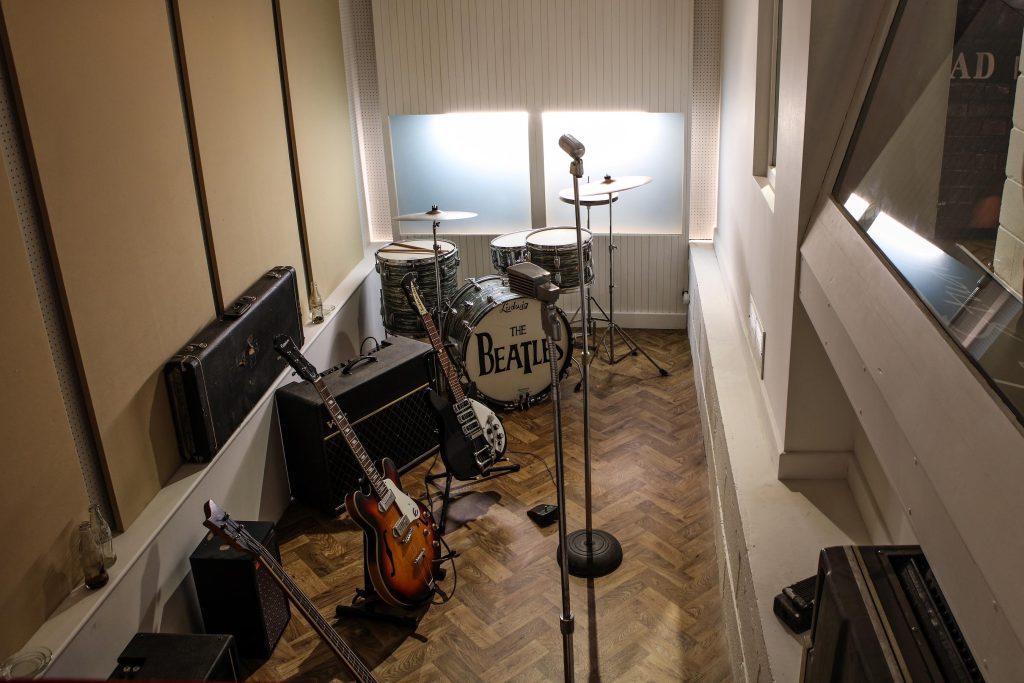
George Harrison’s use of the sitar on “Norwegian Wood” introduced many Western listeners to Indian music for the first time, reflecting the band’s growing curiosity about sounds beyond traditional rock and roll. Meanwhile, producer George Martin crafted the elegant solo on “In My Life” by recording an electric piano at half speed and playing it back at normal speed, creating a harpsichord-like effect that became one of the album’s most memorable moments.
The spirit of experimentation was aided by Studio Two at Abbey Road, which presented endless possibilities. Harrison later recalled the studio being filled with unusual instruments, from pedal harmoniums and celestes to Moroccan drums and Hammond organs. With Lennon and McCartney constantly searching for new sounds, and Harrison emerging as a songwriter in his own right, Rubber Soul became a playground for musical ideas that pushed The Beatles far beyond the boundaries of conventional pop music.
“
It was such a mind-blower that we had this strange instrument on ["Norwegian Wood"]. Anything was viable. Our whole attitude was changing. We’d grown up a little, I think.
A Lasting Legacy
More than sixty years after its release, Rubber Soul remains one of the most influential albums in popular music. By combining innovative studio techniques, mature songwriting and a unified artistic vision, The Beatles helped redefine what an album could be. Rather than simply collecting hit singles, Rubber Soul presented a complete musical statement that inspired artists from The Beach Boys and The Rolling Stones to countless musicians that followed.
Today, the album’s influence can still be heard across popular music. In September 2020, Rubber Soul was ranked at number 35 on Rolling Stone‘s benchmark “500 Greatest Albums of All Time” list. And with the newly expanded Rubber Soul Special Edition set for release on 2 October, featuring new mixes by Giles Martin and Sam Okell alongside previously unreleased session recordings and demos, there has never been a better time to revisit one of The Beatles’ most influential albums.
WIN - A Free Rubber Soul Special Edition Deluxe LP!
Enter now for your chance to win a copy of the all-new Rubber Soul Special Edition Deluxe 2LP, worth £44.99. Open worldwide. T&Cs apply.