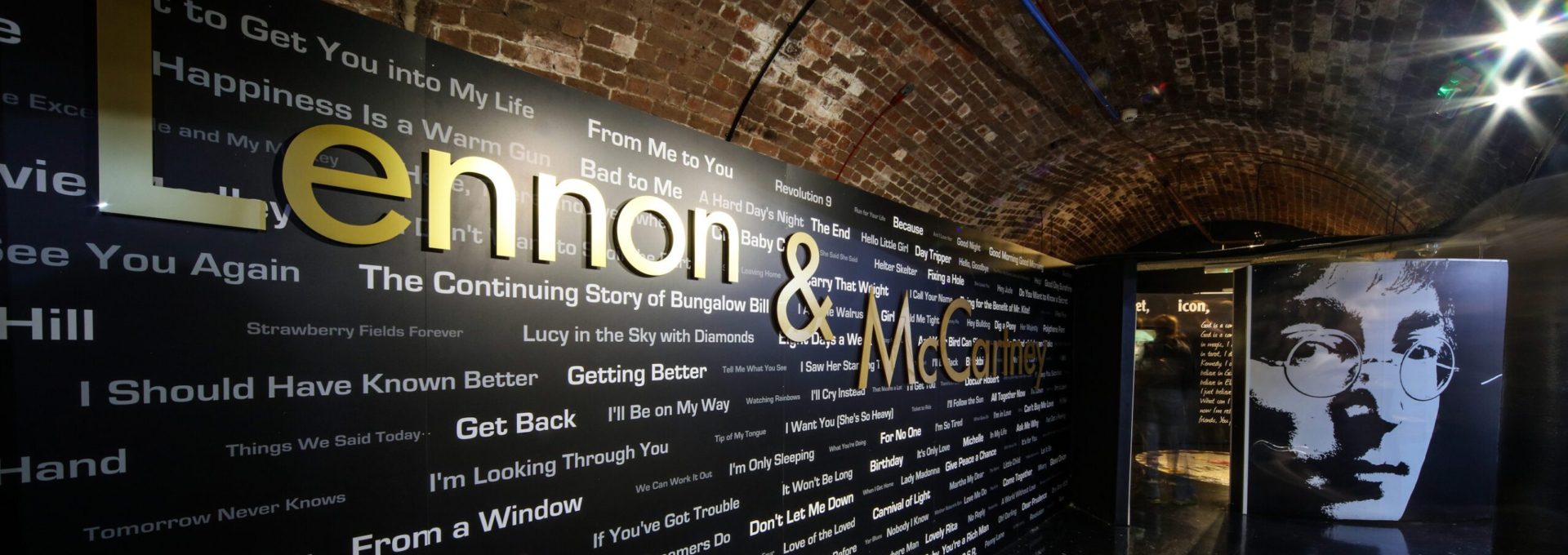
When John Met Paul
It was July 6, 1957. A sunny summer afternoon at the Woolton Village Fête in Liverpool, where, in the gardens of St Peter’s Church, locals came together to enjoy the annual festival. It would have been a pleasant memory for those who attended, but forgotten by the history books if it had not been for one pivotal meeting between two local teenagers.
John Lennon, then 16, was performing with his skiffle group The Quarrymen, standing on top of the slow‑moving lorries intended for the procession of musical groups. Watching from a distance was a fifteen‑year‑old grammar‑schoolboy named Paul McCartney. The young Paul was enthralled by how cool John looked with his hair coiffed up and guitar in hand! But Paul was no stranger to rock ‘n roll, he was a self-taught multi-instrumentalist by then. He had actually been invited to the fête on this day by his schoolfriend Ivan Vaughan, who sometimes played the tea chest-bass in The Quarrymen.
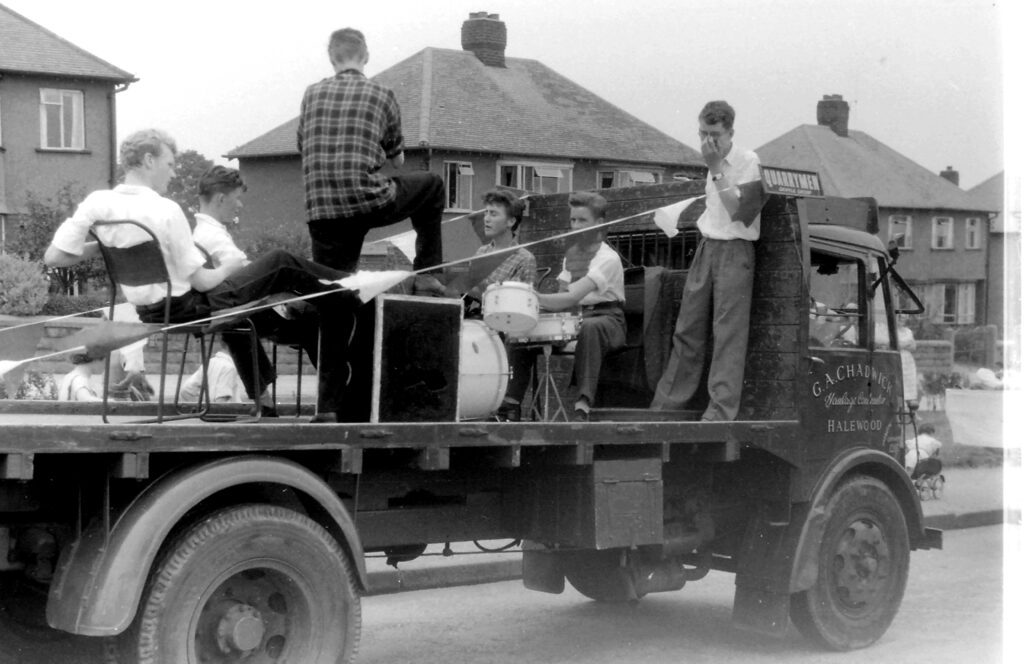
After the gig, Ivan introduced Paul to John. Paul later recalled that during their performance of “Come And Go With Me,” John was playing banjo chords on his guitar. Eager to impress, Paul showed the older boy how to tune it properly. He then sang and played Eddie Cochran’s “Twenty Flight Rock”. John listened closely, fascinated. In Paul, he recognised not just talent, but potential: someone who could push him further, someone he didn’t want to slip away. Not long afterward, Paul was accepted as a member of The Quarrymen.
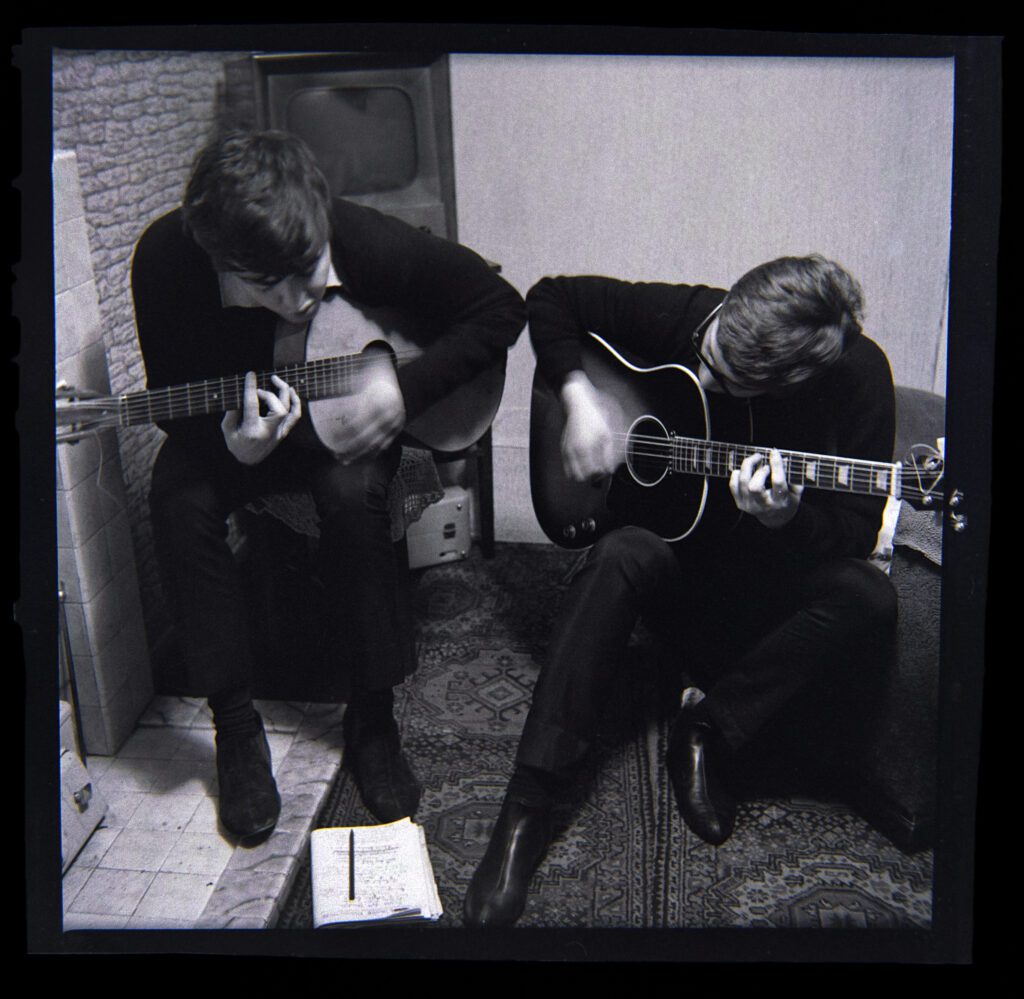
John and Paul quickly discovered they shared many of the same musical heroes. Their earliest idols included Chuck Berry, Little Richard, Buddy Holly, Elvis Presley, and Smokey Robinson. They learned countless songs from these artists and often tried to imitate their sound. Their first compositions together were written at Paul’s home at 20 Forthlin Road, at John’s Aunt Mimi’s house at 251 Menlove Avenue, or at the Liverpool Institute, where Paul was a student.
Forming their Creative Identity
A key element of their partnership was their decision to credit all of their songs jointly as “Lennon–McCartney”, regardless of how equally or independently each had contributed. John would get 50% of the songwriting credit, and Paul would receive the remaining. This reinforced their already strong bond, an unwritten vow to always be a team. Together, they wrote their first early tune “Just Fun,” composed in a teenage spirit of experimentation, and continued refining their craft until songwriting became second nature. As McCartney put it: “We had to remember everything we wrote… if we couldn’t remember it, how do we expect anyone else to?”
“
Me and John… two hundred and ninety five songs we wrote. We never came away without a song.
By 1962, the partnership resurfaced energetically after the band was preoccupied with their Hamburg tenure. Early Lennon–McCartney originals such as “Like Dreamers Do,” “Love of the Loved,” and “Hello Little Girl” were included in their Decca audition. The audition tape circulated within EMI and caught the attention of Ardmore & Beechwood, who pushed for the group to be signed, specifically to secure the publishing rights to Lennon–McCartney compositions.
As the band entered EMI studios in mid‑1962, producer George Martin initially doubted the pair’s ability to craft hits. That changed when “Love Me Do” reached the UK Top 20. Martin then became a key advocate, encouraging them to release “Please Please Me” (which became their first UK No. 1), to build Lennon–McCartney–heavy albums, and to partner with publisher Dick James. Their songwriting success quickly demanded formal structures. By October 1962, Lennon, McCartney, and Brian Epstein had signed a publishing deal, and by early 1963 Northern Songs was created, cementing their songwriting empire.
Their songwriting process evolved over time. During the Beatlemania days, Lennon and McCartney mostly wrote “eyeball to eyeball”, crafting songs side‑by‑side. As The Beatles entered their creative expansion period of the later 60s, many songs began individually, but were shaped or completed by the other. Sometimes two song fragments were fused into one cohesive piece: “A Day in the Life” famously combines Lennon’s reflective verses with McCartney’s energetic middle section. On “Hey Jude,” Lennon insisted Paul keep the lyric “the movement you need is on your shoulder,” despite Paul’s reluctance, reassuring him: “It’s the best line, innit?” Even as their collaboration waned in the late Beatles years, their influence on each other remained.
Why Their Partnership Worked
The songwriting collaboration between Lennon and McCartney thrived because they were similar enough to understand each other, yet different enough to challenge one another. Lennon was an introspective lyricist whose melodies carried a sharper, edgier tang. His genius and often cynical observations on the world are deeply emotionally resonant. McCartney is a musical genius who can craft the most beautiful and memorable melodies. His songwriting provides a sense of warmth, bringing people together to sing and dance along.
These roles are, of course, not set in stone. Lennon could just as easily deliver bright, exuberant songs. His first solo U.S. No. 1 single, “Whatever Gets You Through the Night”, is a testament to his ability to craft upbeat, infectious music. Likewise, McCartney was fully capable of profound introspection, whether exploring loneliness and social neglect in “Eleanor Rigby” or confronting political injustice in “Give Ireland Back to the Irish”. As Henna Kaaresto writes in her senior thesis You Say Goodbye and I Say Hello: “It is not right to put these two songwriters in boxes. Had they truly been complete polar opposites, as the legend says, they probably would not have worked so well as partners for such a long time.” But it’s undeniable that their signature styles complemented each other brilliantly.
“
They built upon each others’ strengths—Lennon’s straightforward flair and McCartney’s penchant for the sentimental—and covered each other’s weaknesses to create some of music’s most timeless tunes.”
Legacy
The Lennon–McCartney partnership is widely credited with establishing the modern singer‑songwriter model that would come to dominate popular music. As Yuval Taylor and Hugh Barker note in Faking It: The Quest for Authenticity in Popular Music, before the 1960s most pop singers did not write their own material, and most of their hits were written for them by session musicians hired by record companies. There have always been notable exceptions such as Buddy Holly and Roy Orbison, but their approaches were shaped more by country and blues traditions. Lennon, McCartney, and contemporaries like Bob Dylan were among the first mainstream artists to break that model, writing and performing their own songs at a time when this was far from the industry norm.
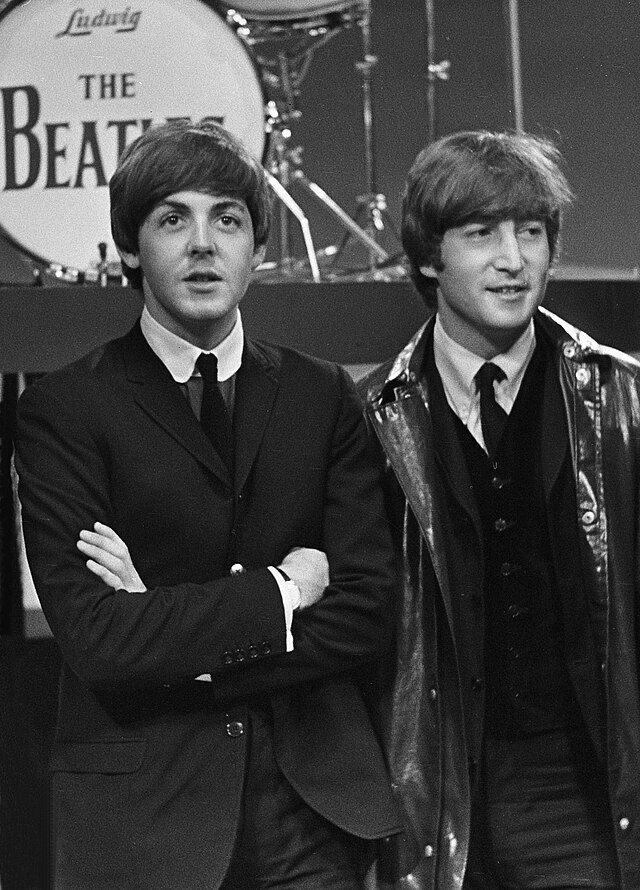
Their emergence, along with other British Invasion bands like The Rolling Stones, reshaped the music business. The overnight success of The Beatles threatened the dominance of the Brill Building and Tin Pan Alley songwriting factories, prompting Brill Building songwriter Ellie Greenwich to recall how the British Invasion prompted concerns that “there’s no more room for us… It’s now the self‑contained group.” In 1963, The Sunday Times even called Lennon and McCartney the greatest composers since Beethoven, highlighting the magnitude with which their songwriting shifted expectations for pop musicians.
These trends have continued to shape the pop landscape today. In Ben Siegel’s article The Era of Songwriting, he observes the dramatic rise in artists contributing to the writing of their own material: “On Billboard’s annual Year-End Hot 100 Singles chart, 61% of the songs in 2000 credited the artist as a songwriter, whereas 95% of the songs in 2020 credited the artist as a songwriter”.
This shift reflects a new norm, one directly traceable to the Lennon–McCartney legacy, in which major pop artists are expected to be both performers and writers. From Michael Jackson and Madonna in the 1980s, to Kurt Cobain and Mariah Carey in the 1990s, to Taylor Swift, Ed Sheeran, and Olivia Rodrigo in the 2020s, the modern music industry continues to operate in the creative shadow of Lennon and McCartney’s groundbreaking model.
Much can be said about what Lennon and McCartney have done for songwriting and music as a whole. But perhaps the scale of their achievement is best captured by the remarkable comparison made at the height of Beatlemania, when a Sunday Times critic in 1963 declared Lennon and McCartney “the greatest composers since Beethoven.” While such a statement may seem bold, even provocative, it reflects the profound impact their work had, and continues to have, on generations of musicians and listeners alike.
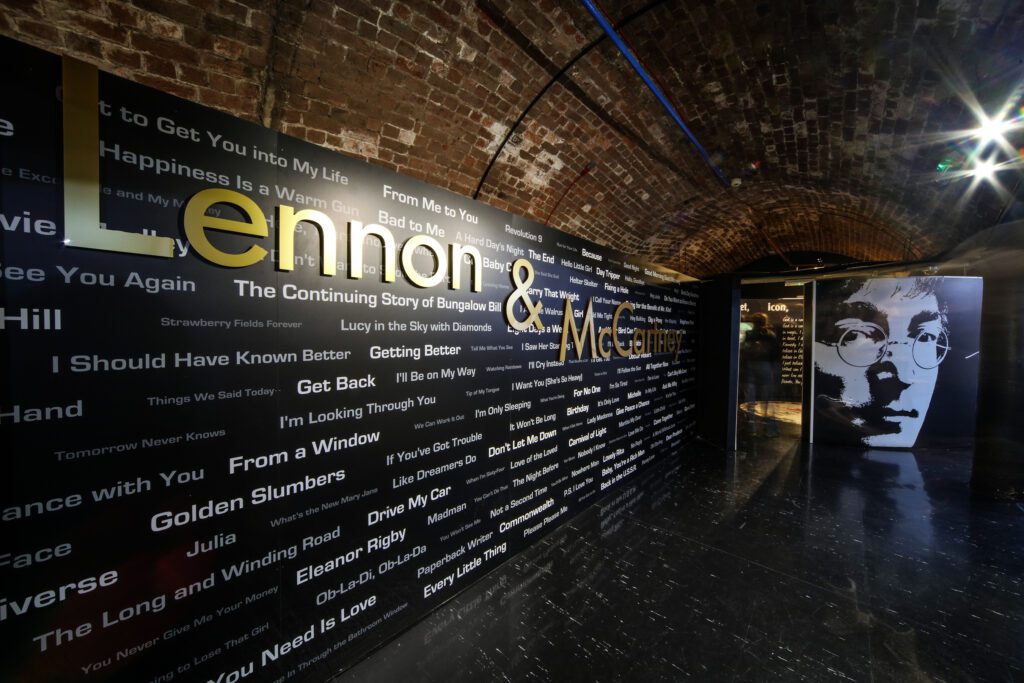
Explore more stories...
Music, Mojo, and Motown: The Story of Rubber Soul
The Beatles Story Shortlisted for Sustainability Award at The Guide Liverpool Heroes Awards 2026 | Vote Now | Beatles Story Museum
WIN – A Free Rubber Soul Special Edition Deluxe 2LP!
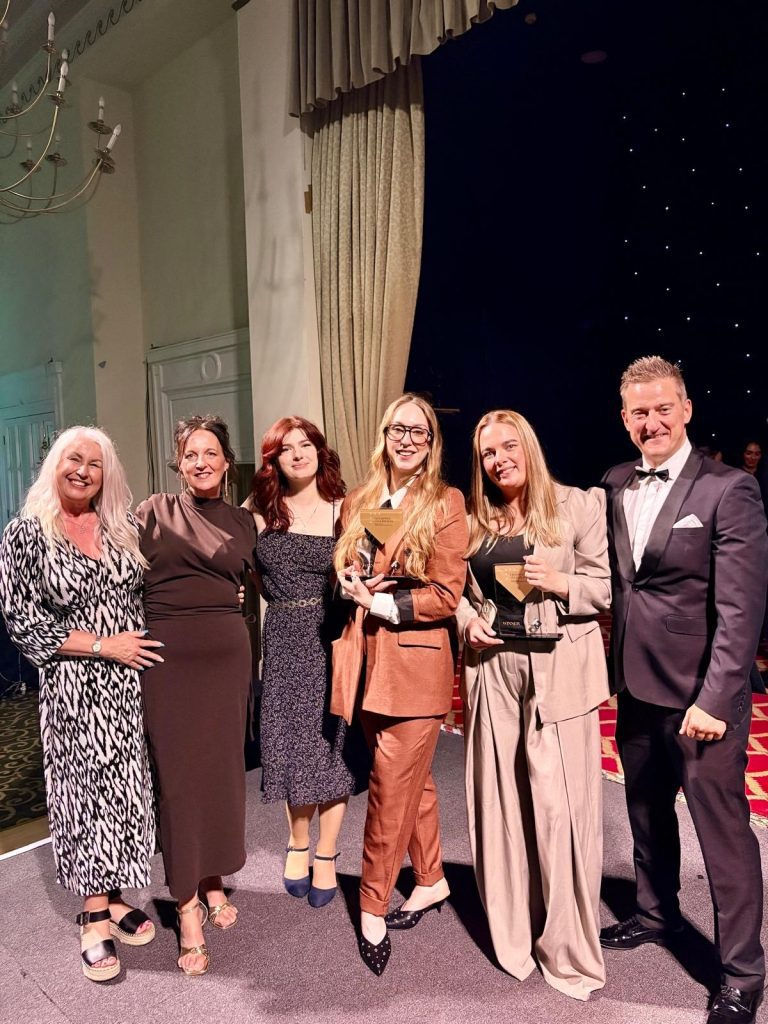
Double Win for The Beatles Story and Fab4 Café!
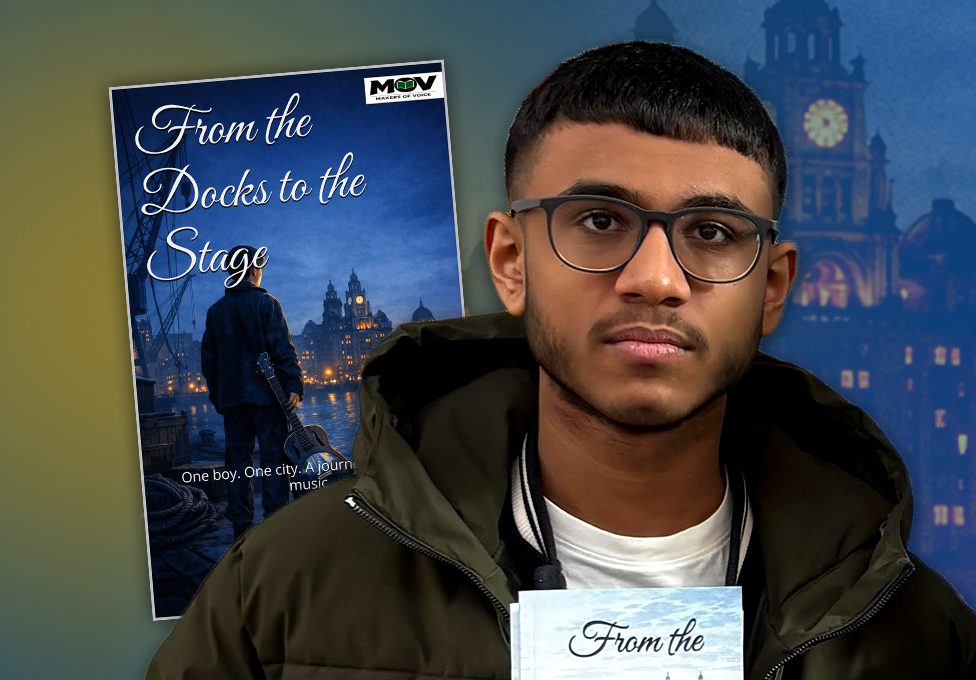
From the Docks to the Stage: An Interview with Author Sidak Sachdeva
The Beatles Story Invites Community Performers to Take Centre Stage at New Sunday Sessions
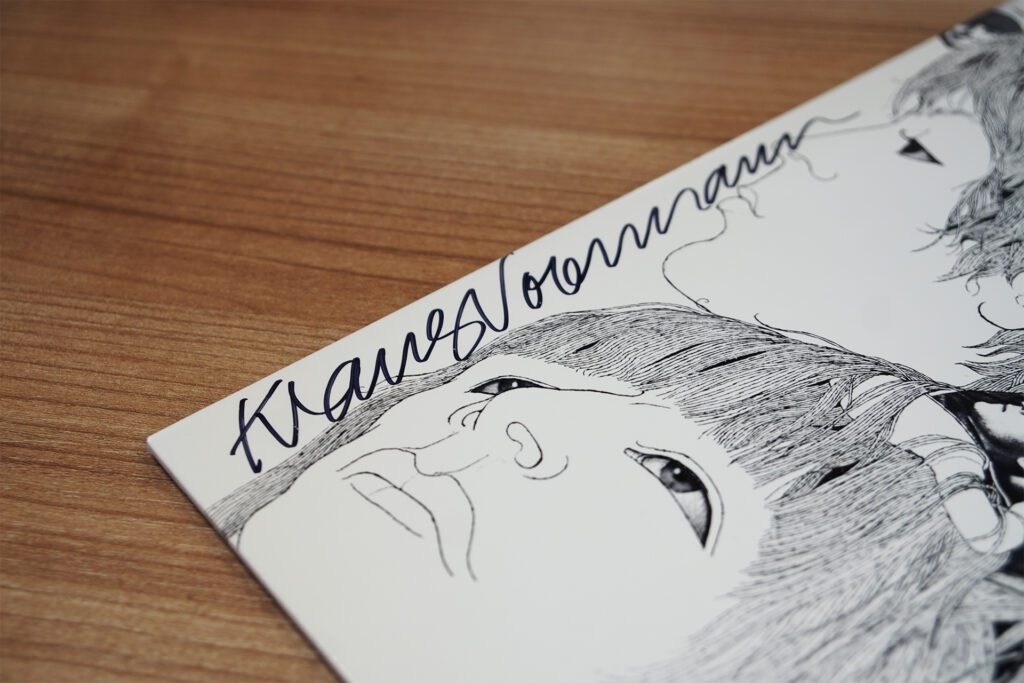
WIN a signed Revolver LP 2026
The Beatles Story Museum, Liverpool has been awarded GOLD by Green Tourism
George Harrison’s Evolution as a Songwriter