A Lively New Idea
By late 1964, The Beatles were already dominating records, cinema screens and headlines across the world. It was hardly surprising, then, that television producers began looking for new ways to bring Beatlemania to audiences.
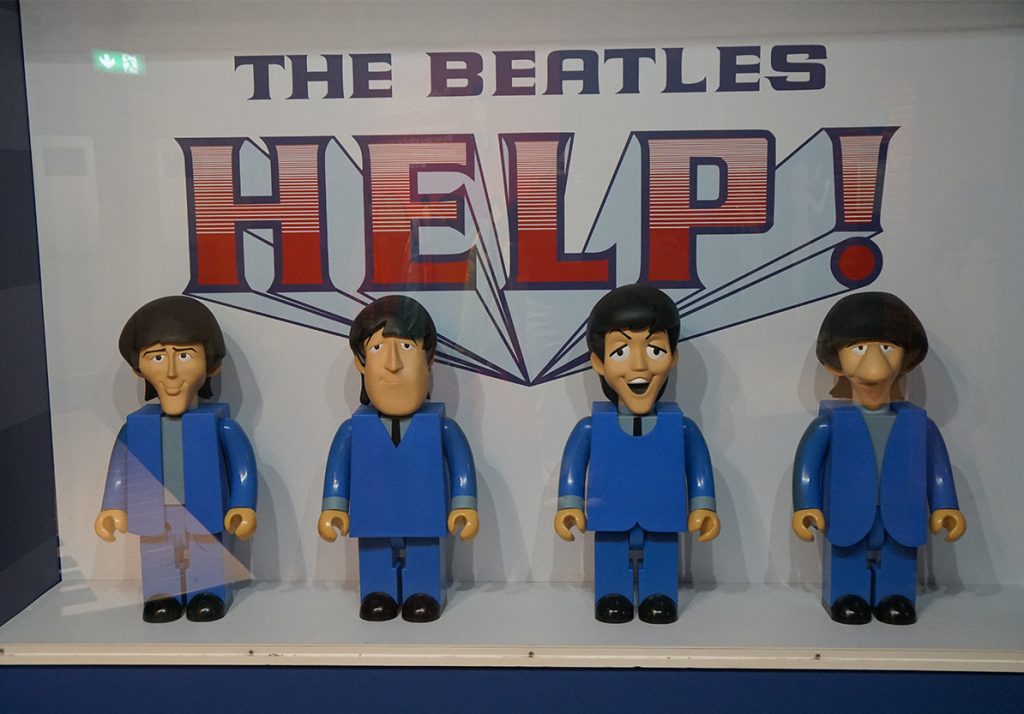
On 11 November 1964, it was announced that the American company King Features Syndicate had secured the television animation rights to The Beatles and was developing a new animated series for broadcast in the United States. Inspired by the success of A Hard Day’s Night, the show would feature cartoon versions of John, Paul, George and Ringo embarking on a variety of adventures.
Music remained at the heart of the concept, with each episode including at least two Beatles songs. Some would showcase the group’s latest recordings, while others would feature fan favourites already climbing the charts around the world.
Bringing The Beatles to Life
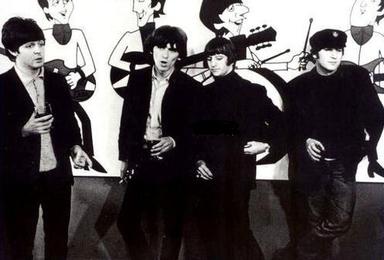
Creating animated versions of the world’s most famous band was no small task. Based on original character designs by Peter Sander, a team of around 70 artists worked to transform The Beatles into colourful cartoon stars.
The production process was remarkably ambitious for its time. Each half-hour episode took roughly a month to complete, requiring countless drawings and careful attention to detail. Producers understood that Beatles fans would have high expectations, so the animated characters were designed to capture the distinctive personalities that audiences had come to know and love.
Many stories were built around individual Beatles songs, allowing the music to drive the action. Supervising director Jack Stokes believed the songs had to remain the centrepiece of every episode. After all, viewers were tuning in to see and hear The Beatles, and the animation was there to enhance that experience rather than overshadow it.
Solving the Accent Problem
While American audiences adored The Beatles, there was one unexpected challenge. Many young viewers struggled to understand the band’s strong Liverpool accents, particularly during the height of Beatlemania.
To address this, King Features employed voice actors rather than using the band themselves. American actor Paul Frees provided the voices for John Lennon and George Harrison, while British entertainer Lance Percival voiced Paul McCartney and Ringo Starr.
The decision ensured that American audiences could follow the stories more easily, even if the voices were not entirely authentic. In reality, The Beatles had very little direct involvement with the series beyond licensing their music and likenesses.
A Worldwide Production
Despite being based on Britain’s most famous musical export, the cartoon was truly an international effort. Storylines were written in America, while the animation itself was handled by Al Brodax’s studio in Australia.
This global production process helped the series reach television screens quickly, allowing it to capitalise on the seemingly unstoppable popularity of Beatlemania. By the time the programme premiered on ABC in September 1965, The Beatles were not only chart-topping musicians but animated television stars as well.
An Instant Hit…
The cartoon series was an immediate success with younger viewers. For many children, it provided a weekly opportunity to spend time with their heroes, whether they were battling villains, exploring exotic locations or finding themselves in increasingly absurd situations.
The combination of comedy, adventure and Beatles music proved irresistible. Across its four-season run, the series introduced countless young fans to the band’s songs, helping to expand their audience even further.
Although some critics viewed the programme as a commercial extension of Beatlemania, it nevertheless demonstrated just how influential The Beatles had become. Few artists before or since have inspired an animated television series while still at the height of their musical career.
…And an Enduring Hit
The enduring appeal of the series extended well beyond its original run. Even after The Beatles had gone their separate ways, the cartoons continued to find new audiences through repeat broadcasts and home video releases.
Perhaps the most surprising fan of the show was John Lennon himself. Although the animated adventures often took liberties with the band’s personalities, Lennon later admitted that he genuinely enjoyed watching reruns of the series. Reflecting on the programme years after The Beatles’ split, he recalled happily sitting in front of the television and laughing along with the cartoon versions of the Fab Four.
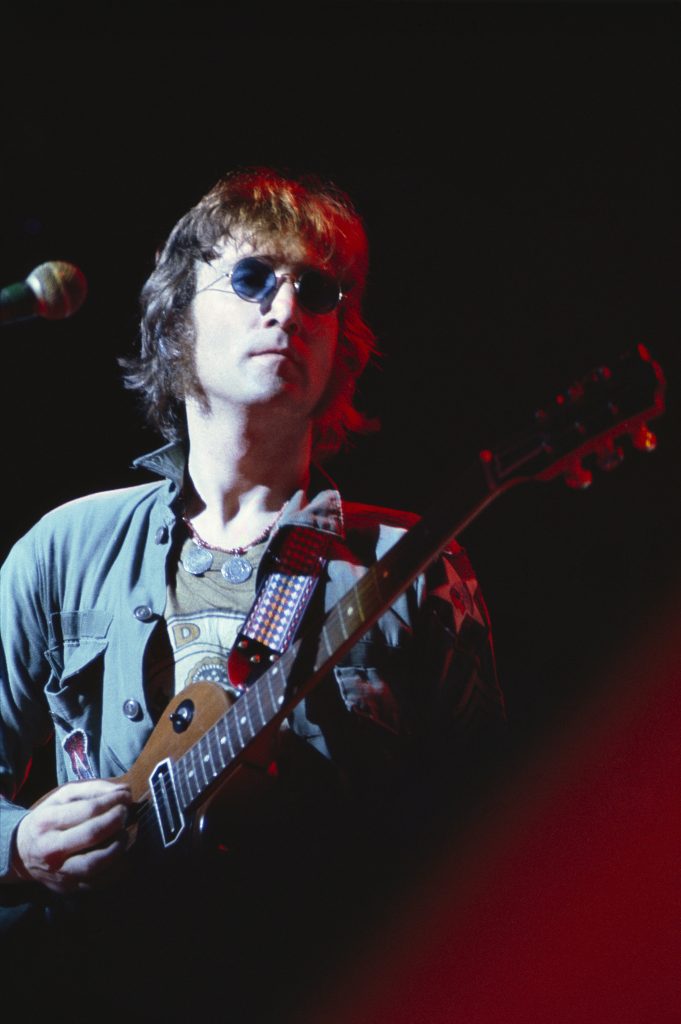
Image © Bob Gruen.
The show’s appeal has proven remarkably durable. Today, many younger Beatles fans discover the cartoon not through traditional television broadcasts, but through clips shared across social media platforms such as TikTok. Its exaggerated animation, surreal storylines and unintentionally funny moments have made it a popular source of memes and short-form videos, introducing a new generation to the Fab Four in an entirely different way. More than sixty years later, The Beatles cartoon remains a charming reminder of the extraordinary reach of Beatlemania and the many ways the Fab Four continue to capture imaginations around the world.
Latest articles
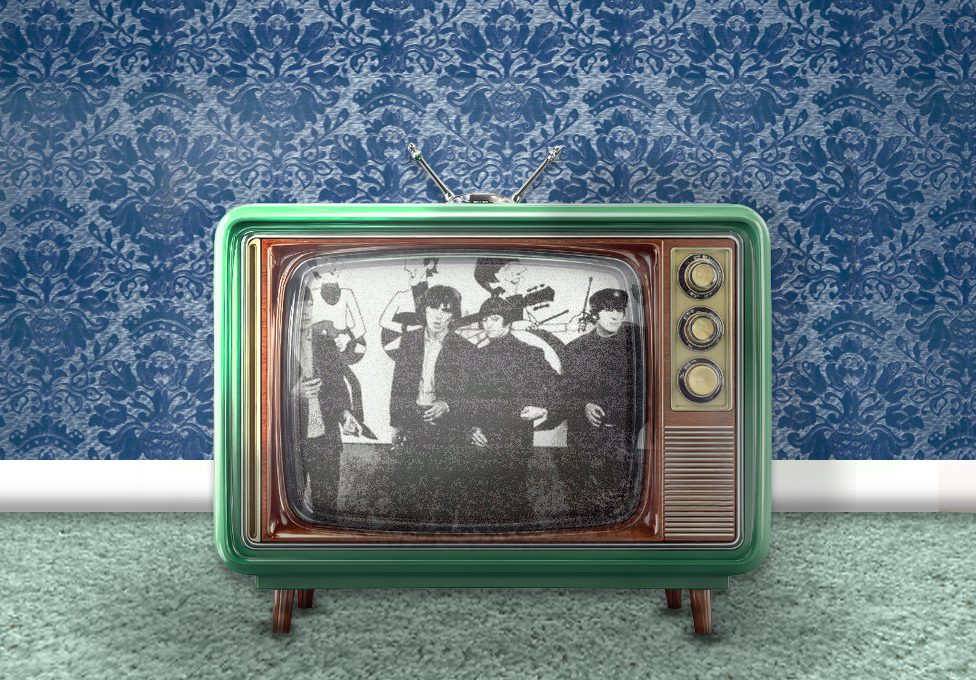
The Beatles Cartoon: When the Fab Four Conquered Saturday Morning TV
Beatles Fashion, Mini-Skirts… and an FBI Sting?! | The Beatles and 1960s Fashion | The Beatles Story Podcast
Music, Mojo, and Motown: The Story of Rubber Soul
The Beatles Story Shortlisted for Sustainability Award at The Guide Liverpool Heroes Awards 2026 | Vote Now | Beatles Story Museum
WIN – A Free Rubber Soul Special Edition Deluxe 2LP!
Double Win for The Beatles Story and Fab4 Café!
From the Docks to the Stage: An Interview with Author Sidak Sachdeva
The Beatles Story Invites Community Performers to Take Centre Stage at New Sunday Sessions
WIN a signed Revolver LP 2026